| Generic Name: |
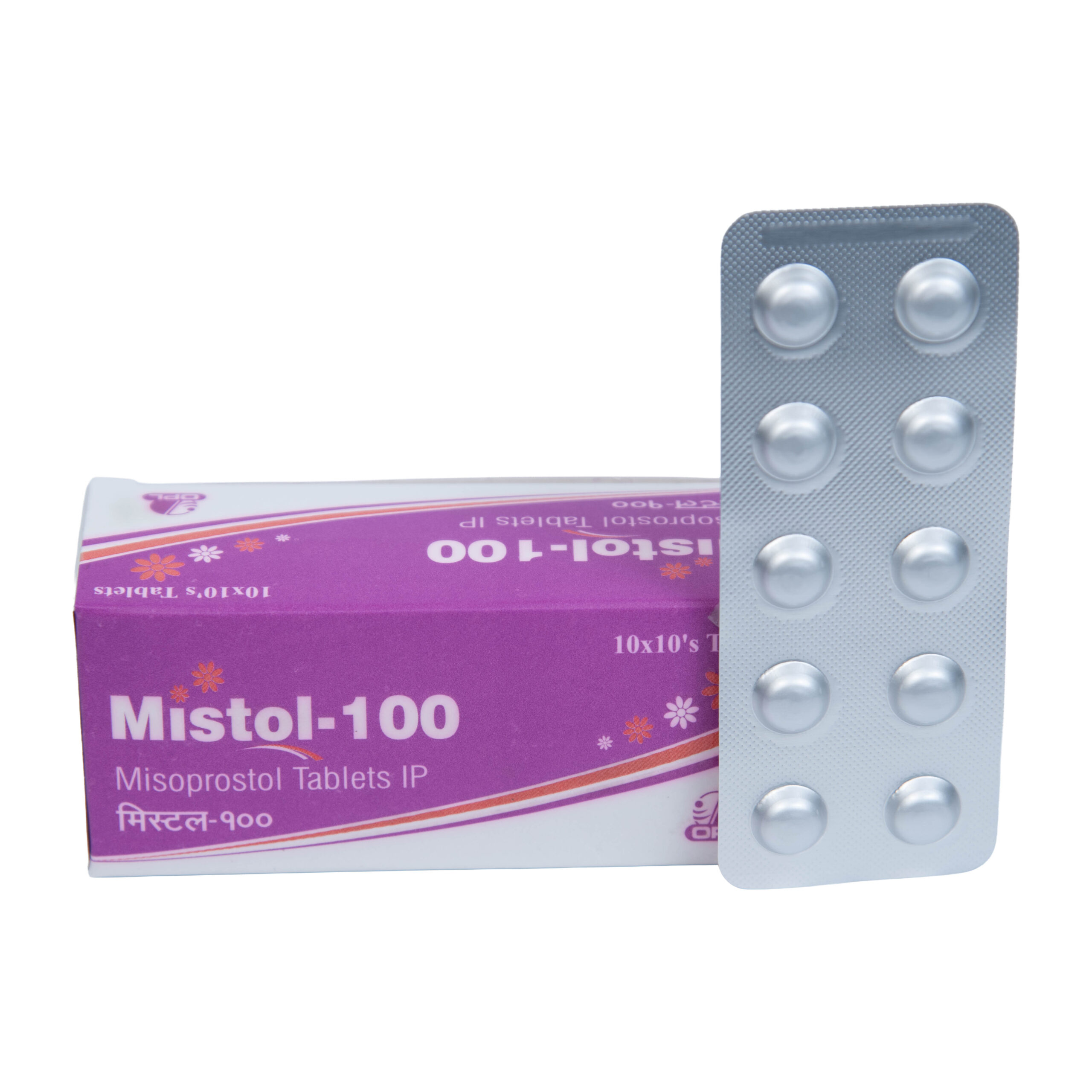
Misoprostol
|
| Therapeutic Category: |
Endocrine-Metabolic Agent
|
| Pharmacologic Class: |
Prostaglandin
|
| Composition: |
Each uncoated tablet contains Misoprostol 200 mcg
|
| Pregnancy Category: |
X
|
| Presentation: |
Available in the pack size as 4 tablets X 1 blister
|
| Mechanism of Action: |
At the end of a pregnancy: There are many receptors and a small dose of misoprostol leads to strong contractions. Special attention is required in women with a live fetus [who may hyperstimulate (uterine)*]. Not for use by women with previous caesarean sections – it may cause a ruptured uterus. Uterine ruptures have also been reported occasionally in unscarred uterus.
In early pregnancy: There are few receptors and large doses of misoprostol may need to be given repeatedly in order to have an effect.
For termination of pregnancy: The sensitivity of the uterus to prostaglandins can be increased by giving the progesterone blocker mifepristone to the women 24-48 hours before treatment with misoprostol. This is especially useful in early pregnancy, although it also works in late pregnancy.
|
| Indications: |
- Softens and opens (dilates) the cervix.
- Causes uterine contraction.
- Starts (induces) labor.
- To prevent postpartum hemorrhage.
- In combination with mifepristone it cause abortion.
|
| Dosage: |
Route of administration: Vaginally, orally, sub-lingual
400 μg or 800 μg
Smaller dose while given vaginally.
|
| Pharmacokinetics: |
Absorption: Rapid absorption
Protein binding: Approximately 85%
Metabolism: Hepatic
Route of elimination: Urine
Half-life: 20-40 minutes
|
| Adverse Effects: |
Most common side effect is Diarrhea followed by abdominal pain, nausea, flatulence, headache, dyspepsia, vomiting, and constipation.
|
| Contraindications: |
MISTOL is contraindicated in the following populations and situations:
Should not be taken by pregnant women for gastric ulcers
Women with previous cesarean section
|
| Advantages: |
Less force needed for dilatation,
makes the intervention safer and easier
shortens the time for the procedure
reduces blood loss in the case of a subsequent surgical abortion
|
| Terminologies: |
Uterine hyperstimulation: This may result in fetal heart rate abnormalities, uterine rupture, or placental abruption.
|