| Generic Name: |
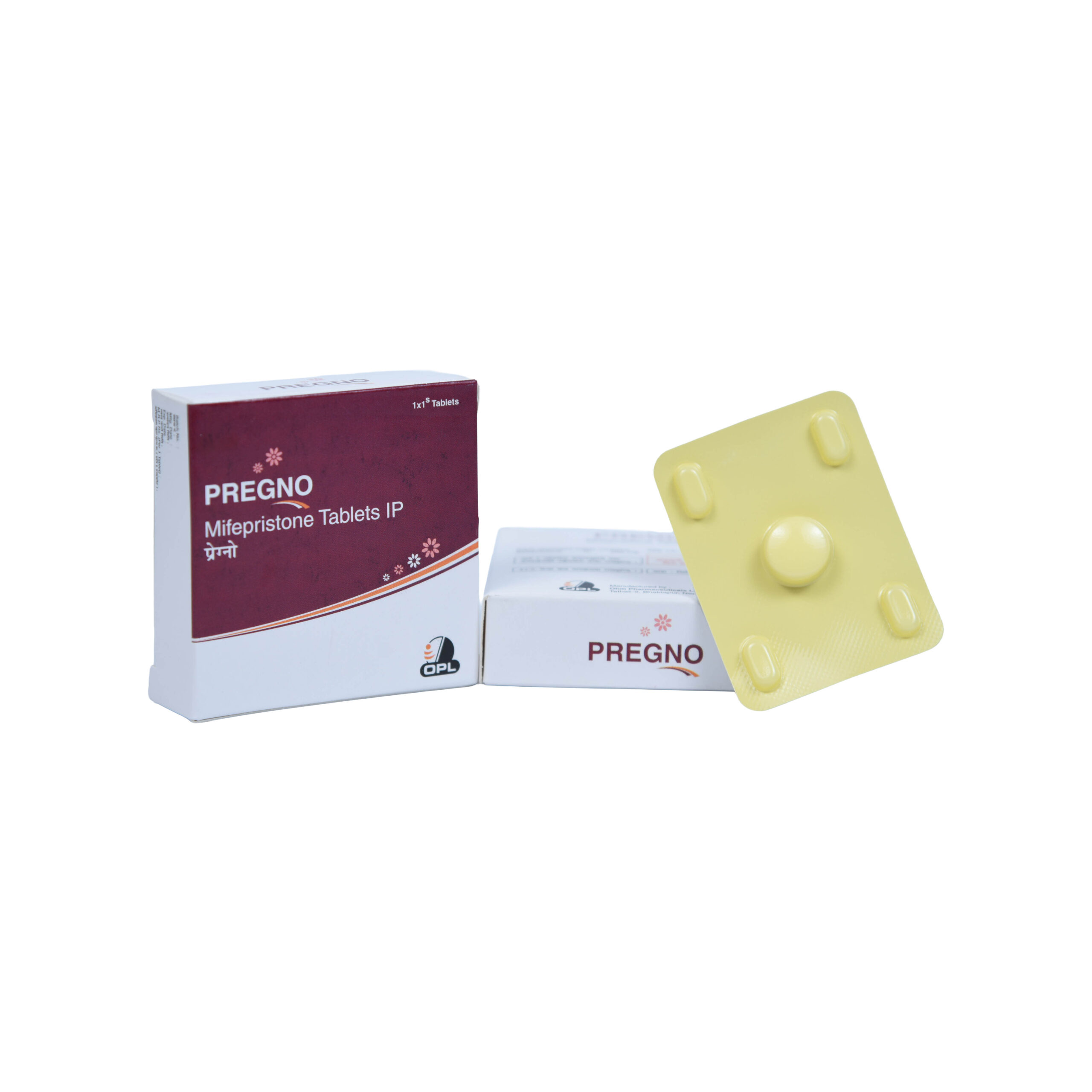
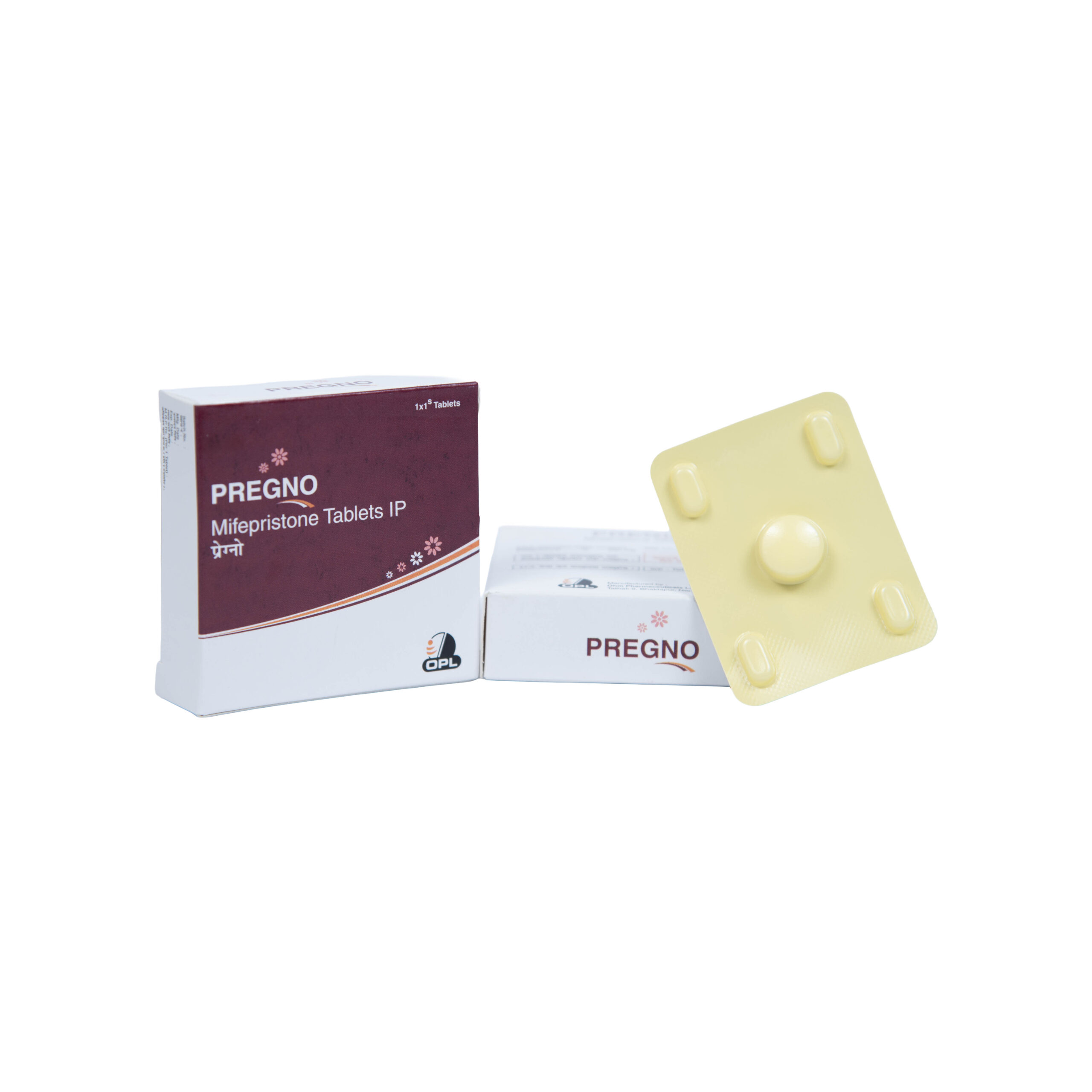
Mifepristone
|
| Therapeutic Category: |
Anti –progesterone/ Abortifacient
|
| Composition: |
Each uncoated tablet contains Mifepristone 200 mg
|
| Pregnancy Category: |
X
|
| Presentation: |
Available in the pack size as 1 tablet X 1 blister
|
| Mechanism of Action: |
Mifepristone blocks the action of progesterone, which is needed to sustain a pregnancy. This results in:
Changes in the uterine lining and detachment of the pregnancy
Softening and opening of the cervix
Increased uterine sensitivity to prostaglandin(misoprostol)
|
| Indications: |
- Medical termination of pregnancy
- Treatment regimen with mifepristone/misoprostol
- Clinical studies have shown that several variations in mifepristone/misoprostol treatment regimens are safe and effective. Generally, however, once a woman has decided to have a medical abortion, there are three steps in the process of a medical abortion:
Step One (at the medical office or clinic)
- A medical history is taken and a clinical exam and lab tests are performed.
- Counseling is completed and informed consent is obtained.
- If eligible for medical abortion, the woman swallows the mifepristone pill(s).
Step Two (at the office/clinic or at home depending on the treatment regimen)
- This step takes place within about 2 days of step one.
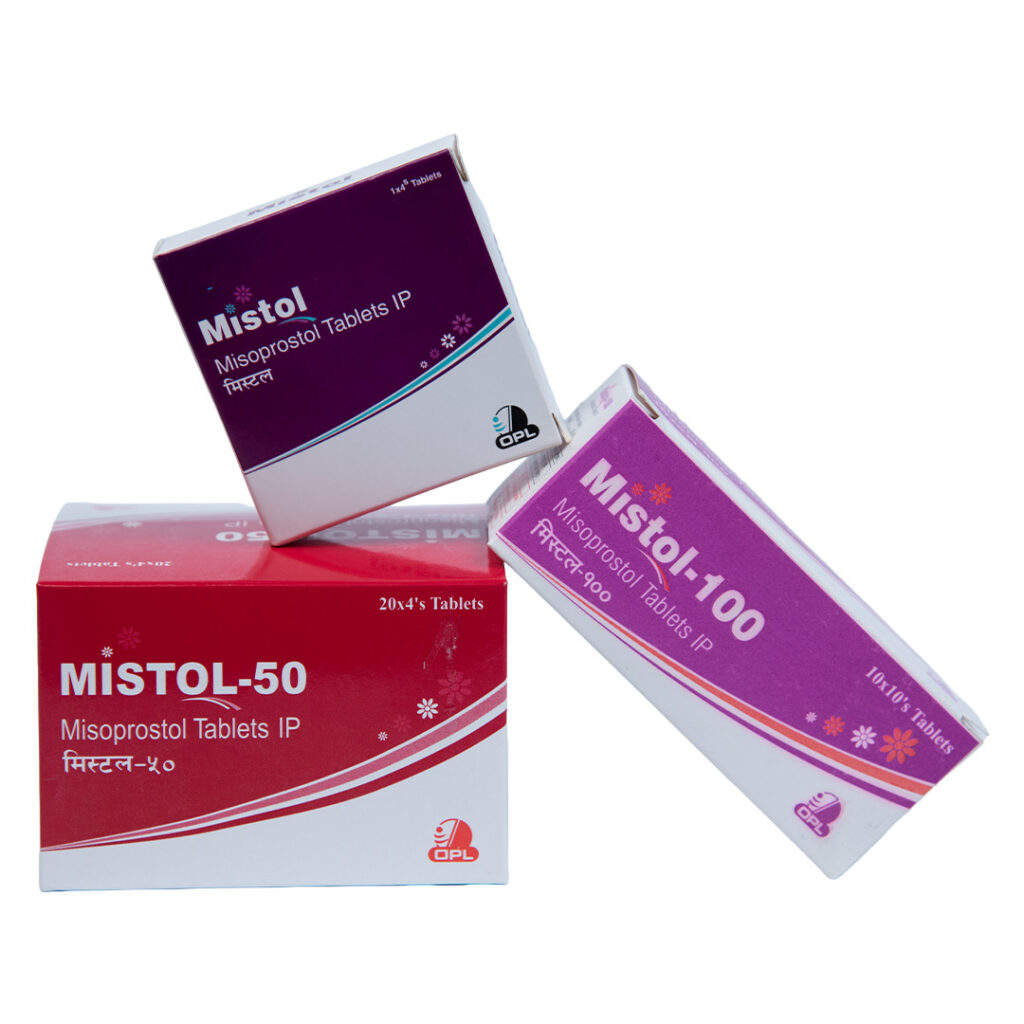
- Unless abortion has occurred and has been confirmed by the clinician, the woman uses misoprostol. Misoprostol tablets may be swallowed, placed between cheek and gum, or inserted into the vagina, depending on the treatment regimen.
Step Three (at the office or clinic)
- This step takes place within about 2 weeks of step two.
- The clinician evaluates the woman to confirm a complete abortion. It is essential for women to return to the office/clinic to confirm that the abortion is complete.
- If there is an ongoing pregnancy, a suction abortion should be provided.
How effective is the combination of mifepristone and misoprostol in terminating an early pregnancy?
Depending on the prescribing physician’s protocols, mifepristone and misoprostol can be used for early abortion up to 63 days after the start of the last menstrual period. Approximately 95-98% of women will have a complete abortion when using mifepristone/misoprostol. Success rates may depend on the treatment regimen and the duration of the pregnancy. The remaining women will need a suction procedure, either because of ongoing or excessive bleeding, an incomplete abortion (tissue remains in the uterus but there is no growing embryo), or an ongoing pregnancy (a viable growing pregnancy, which occurs in less than 1% of cases).
|
| Pharmacokinetics: |
Absorption: Absolute bioavailability 69%
Protein binding: Approximately 98%
Metabolism: Hepatic
Route of elimination: Fecal
Half-life: The concentration decreasing by a half between about 12 and 72 hours, and then more rapid, giving an elimination half-life of 18 hours.
|
| Adverse Effects: |
- Abdominal pain, uterine cramping, and vaginal bleeding or spotting for an average of 9–16 days.
- Nausea, vomiting, diarrhea, dizziness, fatigue, and fever
- Pelvic inflammatory disease is a very rare but serious complication.
|
| Contraindications: |
PREGNO is contraindicated in the following populations and situations:
Chronic adrenal failure
Hemorrhagic disorder*
Inherited porphyria*
|
| Precautions: |
Bleeding
Pregnancy termination confirmation
|
| Terminologies: |
Ectopic Pregnancy: Also known as tubal pregnancy is a complication of pregnancy in which the embryo attaches outside the uterus.
Hemorrhagic Disorders: Spontaneous or near spontaneous bleeding caused by a defect in clotting mechanisms or another abnormality causing a structural flaw in the blood vessels.
Inherited porphyria: Refers to a group of disorders that result from a buildup of natural chemicals that produce porphyrin in your body.
|